Systems Neuroscience and Pain Lab

The Strain in Pain Lies Mainly in the Brain

Sean Mackey, M.D., Ph.D.

Specific information regarding our current research studies, including recruitment and contact information, is available here.

The Impact of Pain

Pain serves highly useful functions such as to help us monitor the physical and emotional state of our body and to warn us to take action in the event of injury. People born without the ability to perceive pain often die at a very young age due to overwhelming infection caused by injuries they never felt. While this ability to perceive pain is beneficial to us in an acute setting, in chronic pain it serves no beneficial purpose. In the chronic pain setting, the site of original injury has often healed, however the patient is left with an unremitting pain condition that is often associated with depression, anxiety, decreased libido, altered appetite, and sleep disturbances. These chronic pain conditions have a huge impact on the individual, their family, and society as a whole. The impact on society in particular is only recently being appreciated.

We know that pain affects hundreds of millions of people worldwide and is a primary complaint resulting in physician visits and health care resource utilization [1]. The importance of pain as a major worldwide health care problem has been recognized by the World Health Organization [1], and the need for further research into pain mechanisms and control was recognized by the U.S. Congress in its declaration of the years 2001-2010 as the Decade of Pain Control and Research [2]. Pain contributes to the overall economic burden of disease through increased direct medical costs caused by additional health care resource utilization and high indirect costs through absenteeism and on-the-job loss of productivity [3]. Overall costs are projected at over $100 billion annually [4].

Current Understanding of Pain

Historically, pain has been considered in relation to its etiologic or disease factors, such as the relationship between surgery and postoperative pain, herpes zoster and postherpetic neuralgia, and arthritis and painful joints.  This has had the effect of addressing pain as a symptom of disease, and although much progress has been made in understanding the molecular and cellular mechanisms of disease, the resulting pain has not necessarily been alleviated.  What is required, and has been missing from the evaluation, is an understanding of the underlying mechanisms responsible for the pain itself.

Research has demonstrated that our experience of pain is perceived within the human brain. The brain takes the electrochemical impulses generated from our body during injury and modulates or changes these impulses to ultimately become the conscious experience of pain. Some of the factors that modulate the pain experience include: attention/distraction, anxiety, fear, depression, and placebo. As we all know from our own experience, our perception of pain is not directly proportional to the extent of the injury or the intensity of the painful stimuli being applied. Each of these factors has a beneficial role in the setting of acute pain but can become maladaptive or harmful to the patient with chronic pain. For example, overwhelming fear of pain in a patient with chronic low-back pain with a stable spine and no neurological injury can lead to guarding and protective behaviors that result in deconditioning, back muscle shortening and spasm, and therefore more pain. This leads to a spiraling course of ever more increasing pain and disability.

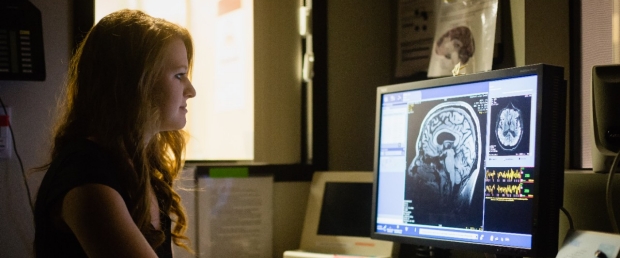
Recently, through the use of neuroimaging tools such as functional magnetic resonance imaging (fMRI) and positron emission tomography (PET), researches have demonstrated within specific brain regions where pain is processed and perceived [5]. Each of these regions communicates with the others in a form of distributed parallel network. This results in multiple pathways within the brain that contribute to the pain experience. In the acute setting, this is beneficial in that if any one pathway is disrupted or injured, there are others to take over and contribute to the pain experience. However, in a chronic pain condition, particularly one that involves injury to nervous system, the patient is left feeling pain when there is no longer a direct stimulus. Take, for example, the patient who feels burning pain from a light breeze over their arm as a result of an injury many years ago. This patient’s injury is well healed, but the nervous system continues to misinterpret signals that should not be painful at all as being excruciating. We now understand that this patient’s pain is a result, in large part, through abnormal rewiring (i.e., central sensitization/neural plasticity) of the central nervous system (CNS) that perpetuate the pain despite the absence of a painful stimulus.

Our Research

The Stanford Pain Management Center and Dr. Mackey's Stanford Systems Neuroscience and Pain Lab (SNAPL) has focused their efforts on elucidating and characterizing these underlying mechanisms of pain.  In particular, their efforts are focused on characterizing the mechanisms of pain from the level of the network to behavior (see figure).  There are important mechanisms of nociception that exist at the level of the gene through the neuron.  However, pain is ultimately a subjective experience that does not commonly correspond to the level of tissue injury or nociception that a person experiences. 

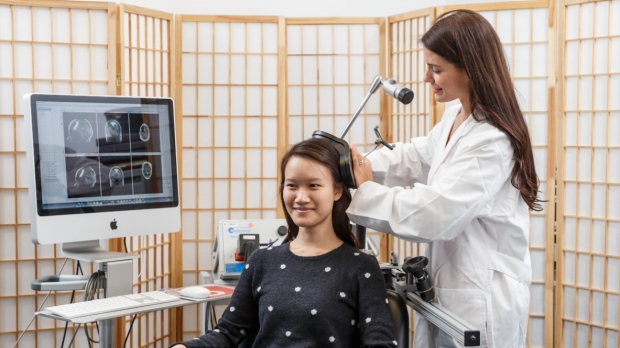
Our group is focused on utilizing state of the art neuroimaging tools to investigate the emotional and cognitive factors that influence pain as well as the neural plastic changes that occur in chronic pain. Details of current studies are available here. We are directing these tools at both the spinal cord and brain to better understand our patient’s experience with the goal of developing new therapies to treat their condition. Recently, this technology has been extended to allow the subjects or patients to “see” their own brain activity in real time. They then use this information to learn to control their brain activation in a specific region associated with the processing and perception of pain (details here).

We are also actively involved in investigating: 1) applications of botulinum toxin in neuropathic pain, 2) the use of intravenous lidocaine as a diagnostic and therapeutic tool for neuropathic pain, 3) the effect of opiates on central sensitization (i.e., opiate induced hyperalgesia), and 4) assessing clinical chronic pain outcomes in our outpatient and inpatient setting.

These accomplishments would not directly impact patients unless there was a close connection with the clinic. This realization has led to the establishment of a close collaboration with the clinical enterprise at the Stanford Pain Management Center – California’s premier tertiary referral center for patients with chronic pain and the only academic center with a “chronic pain unit” in the western US. The center is staffed with outstanding physicians, psychologists, nurses, physical and occupational therapists who integrate the latest knowledge and Stanford research into their clinical practice.

The last decade has seen dramatic changes in the way we understand pain. Rather than viewing pain as simply a symptom of trauma, infection, inflammation, or surgery, we now see it as a discrete disease entity - one that fundamentally alters the entire nervous system. In a major recent advance, neuroimaging tools have allowed us to peer inside the human brain in ways once only dreamed about – unlocking mysteries of where pain is perceived and processed, how it affects the brain, and how it can act to change our thoughts and emotions. For the first time, we have the tools to effectively explore the impact of pain on the brain and can use this information to create the comprehensive interdisciplinary treatment needed to prevent or reverse these changes.

Our ultimate goal is the development of personalized pain management to lessen or stop our patient’s pain and restore and enhance their quality of life. We want to integrate a person’s unique neurophysiology and pain condition into models in which we can predict which therapy will be most effective for that patient. Additionally, we want to use these same modeling techniques to better understand the factors which lead a patient to develop chronic pain after an acute injury and how to prevent it from occurring.


References

  1. Gureje, O., et al., Persistent pain and well-being: a World Health Organization Study in Primary Care. Jama, 1998. 280(2): p. 147-51.
  2. Public Law 106-386-OCT. 28, Victims of Trafficking and Violence Protection Act of 2000. Title VI, Section 1603, "Decade of pain control and research." 2000. Available at: http://209.190.246.239/tvpa.text.pdf.
  3. Korzan, J.R., et al., In vivo magnetic resonance imaging of the human cervical spinal cord at 3 Tesla. J Magn Reson Imaging, 2002. 16(1): p. 21-7.
  4. NIH Guide: New Directions in Pain Research: I. 1998., in Available at: http://grants2.nih.gov/grants/guide/pa-files/PA-98-102.html
  5. Mackey S, Maeda F, Functional Imaging and the Neural Systems of Chronic Pain in Neurosurgery North American Clinics Neurosurgery Clinics of North America, July 2004, Vol. 15, No. 3; 269-288
 

Stanford Medicine Resources:

Footer Links: